
Smooth, Silent, Precise: Designing Low-Vibration Motion Systems for Medical Devices
Why Vibration Control Matters in Medical Devices
Precision and reliability are paramount in medical devices. From robotic-assisted surgery to diagnostic imaging and laboratory automation, motion control components play a crucial role in ensuring accurate and repeatable results. However, excessive noise and vibration in these systems can degrade performance, introduce measurement errors, and potentially compromise patient safety.
Low-vibration motion solutions are particularly important in applications where precision, patient comfort, and system longevity are critical. By selecting appropriate motion control hardware and optimizing system parameters, engineers can design devices that operate more smoothly and consistently.
Key Sources of Vibration in Motion Systems
Vibration in medical motion systems can arise from several sources within both the electrical drive system and the mechanical structure.
Stepper motors, for example, can exhibit resonance in certain speed ranges. This phenomenon, sometimes called mid-range instability, can lead to increased vibration and audible noise if the motion profile is not properly tuned.
Mechanical components can also contribute. Bearings, leadscrews, ball screws, and linear guides introduce vibration through manufacturing tolerances, wear over time, or improper alignment.
Electromagnetic effects within the motor drive system can generate additional vibration. Pulsed current delivery in stepper and servo systems produces torque ripple that can translate into mechanical motion disturbances.
Finally, the way the actuator is mounted within the system can amplify vibration. Inadequate structural rigidity or poorly supported mounting points can allow motion components to flex or oscillate, magnifying otherwise minor disturbances.
Understanding these sources allows engineers to address vibration at both the control and mechanical design levels.
Strategies to Minimize Vibration and Noise
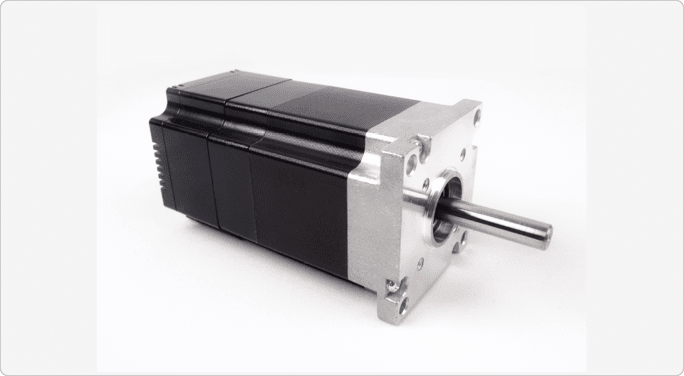
BLDC Motor with integrated driver
Choosing the Right Motor Technology
Motor selection has a major influence on system vibration.
Hybrid stepper motors are widely used because they offer accurate open-loop positioning and cost-effective control. However, they can exhibit resonance and audible noise at certain speeds. Proper drive configuration and system tuning can significantly improve their smoothness.
Servo motors, particularly brushless DC (BLDC) motors operating with closed-loop feedback, typically provide smoother motion because the control system continuously adjusts torque and current to maintain stable positioning. This makes them well suited for applications requiring extremely low vibration and high dynamic performance.

Motion Control Optimization
Even with the same hardware, motion performance can vary significantly depending on how the system is configured.
Microstepping is one of the most effective ways to reduce stepper motor vibration. Lower step resolutions such as full-step or half-step produce noticeable torque ripple and mechanical vibration. Increasing the microstepping resolution creates smoother transitions between steps and reduces vibration.
Engineers can also reduce vibration by adjusting system parameters such as acceleration, velocity profiles, drive voltage, and motor current. These settings influence how quickly the motor transitions between speeds and how smoothly torque is applied to the load.
In many cases, simply modifying the acceleration ramp or operating speed can move the system away from resonance-prone regions and significantly improve stability.
Mechanical Design Considerations
Mechanical design is equally important in controlling vibration.
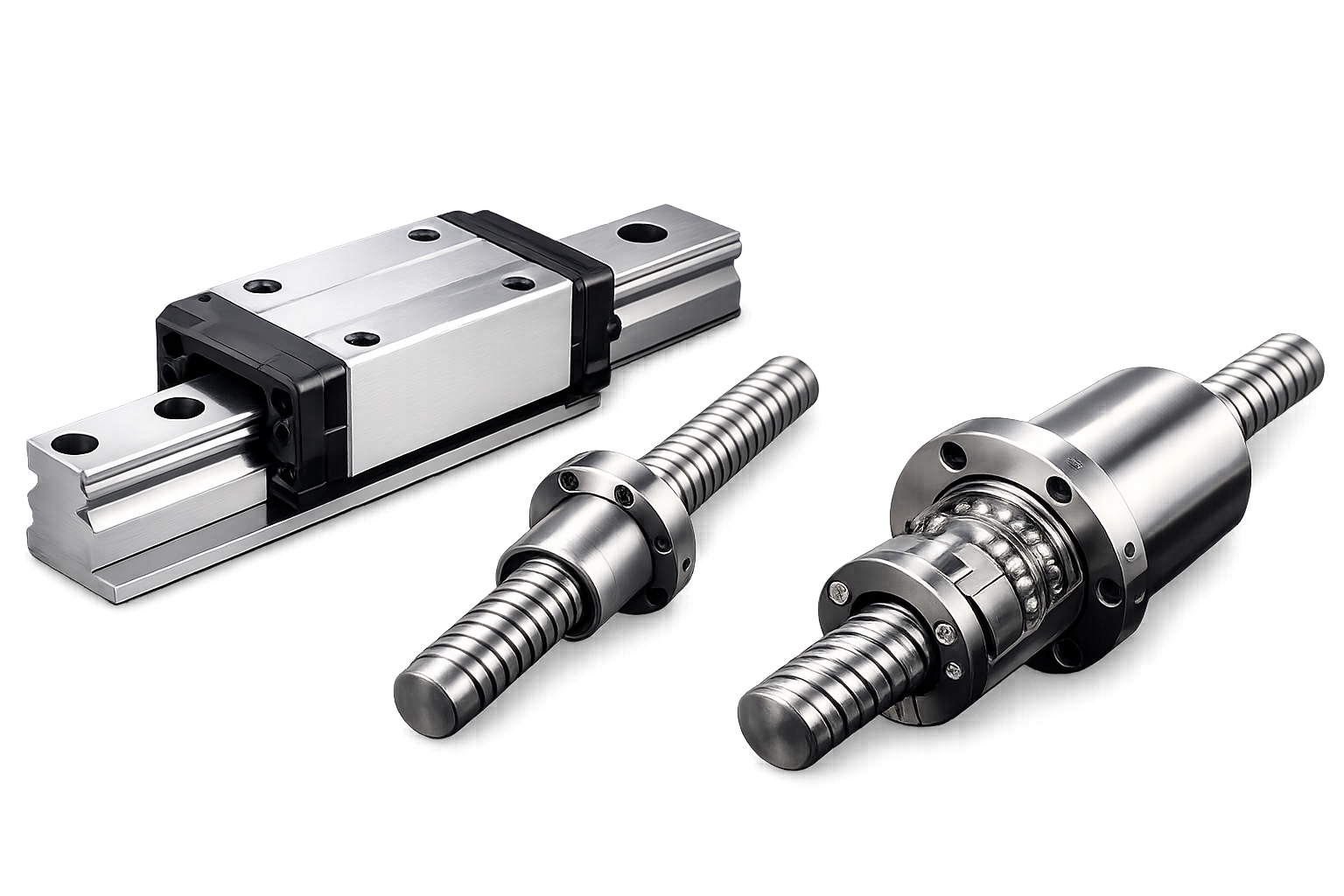
High-quality bearings, leadscrews, and ball screws help maintain consistent motion and reduce positional errors that can introduce unwanted vibration. Components such as preloaded ball screws and low-backlash linear guides can improve stiffness and motion smoothness.
Structural rigidity also plays a major role. A well-supported mounting framework prevents unwanted flexing or oscillation during motion. Properly securing actuators with rigid brackets and minimizing unsupported spans in the mechanical structure can prevent vibrations from being amplified throughout the system.
Material selection can also influence vibration behavior. Stiffer materials and well-designed support structures tend to transmit less unwanted motion through the system.
Testing and Motion Profile Optimization
Simulation and testing are often necessary to fully understand vibration behavior within a motion system.
Finite Element Analysis (FEA) can help engineers predict resonant frequencies and structural responses before building a prototype. This allows potential vibration issues to be addressed early in the design process.
Once hardware is available, accelerometer-based testing can reveal specific frequency ranges where vibration occurs. Engineers can then adjust speed, acceleration, and motion profiles to avoid those regions and achieve smoother system performance.
Applications Where Low-Vibration Motion Control is Critical
Low-vibration motion systems are especially important in several categories of medical equipment.
Medical imaging equipment such as CT scanners, MRI systems, and ultrasound platforms require extremely stable motion to maintain diagnostic accuracy.
Surgical robotics rely on smooth actuator motion to ensure precise instrument positioning during delicate procedures.
Laboratory automation systems must minimize vibration during sample preparation, liquid handling, and diagnostic analysis to avoid measurement errors.
Patient-handling systems also benefit from quiet and smooth motion, improving comfort during operation.
Supporting Engineers Designing Precision Medical Systems
Designing motion systems for medical devices requires careful attention to both electrical control and mechanical structure. Selecting the right motor technology, optimizing motion parameters, and building a rigid mechanical framework can significantly reduce vibration and improve overall system performance.
By understanding where vibration originates and how system parameters influence motion behavior, engineers can create quieter, more stable devices that meet the demanding requirements of modern medical technology. Have a design challenge you need expert guidance on? Contact us today!