
Linear Stepper Actuator Guide
Lead Screw Linear Actuator Installation Guide Recommended Mounting Methods
Review common installation methods for external, non-captive, guided rod, and electric cylinder/kaptive lead screw linear actuators to support proper use and longer actuator life.
Installation Methods
Select the installation method that best matches your application. DINGS’ strongly recommends using the appropriate installation guide to support proper actuator usage and longer life cycle.
1. External Lead Screw Linear Actuator + Linear Guide
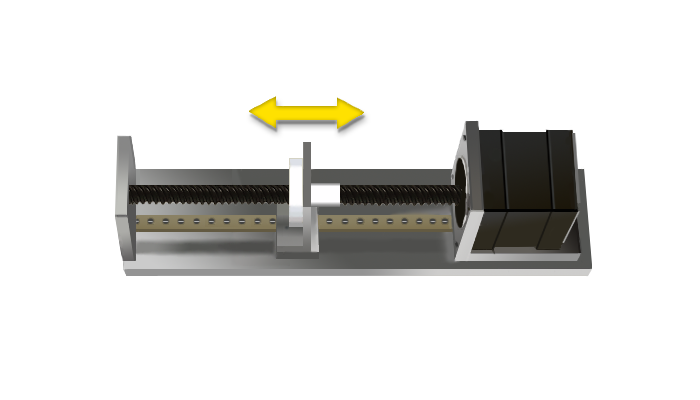
2. Non-Captive Lead Screw Linear Actuator + Linear Guide
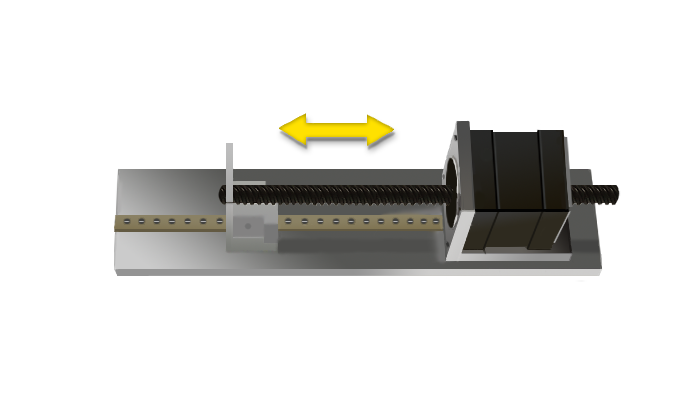
3. External Lead Screw Linear Actuator + Guided Rod
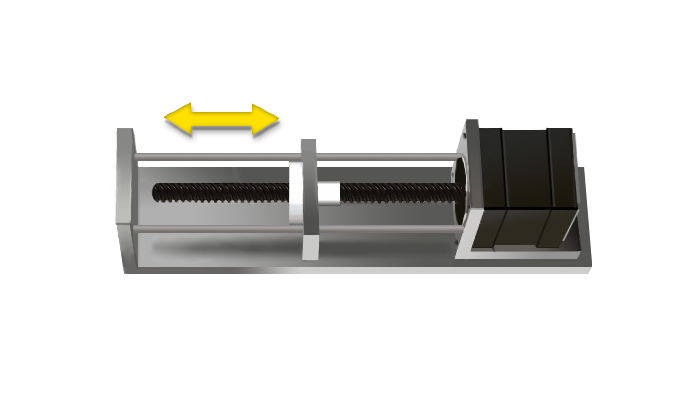
4. Non-Captive Lead Screw Linear Actuator + Guided Rod
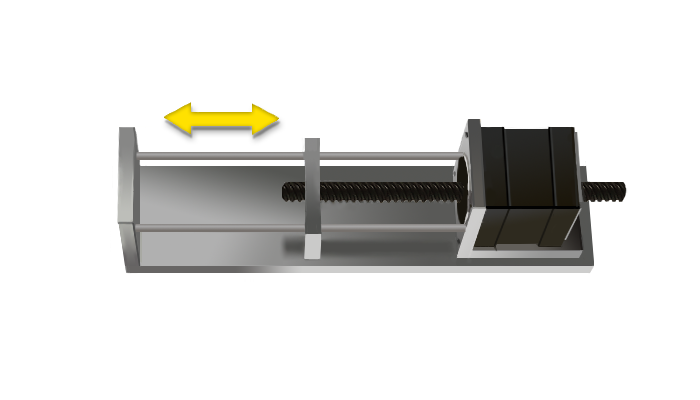
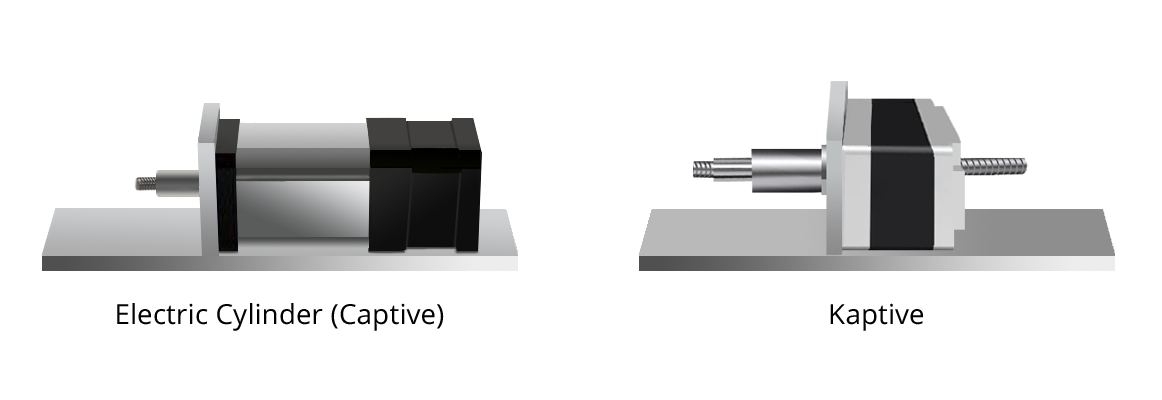
5. Electric Cylinder / Kaptive Lead Screw Linear Actuator Mounted Directly to Load
Linear Actuator Installation
Proper lead screw linear actuator installation helps improve motion stability, reduce side loading, protect the screw and nut assembly, and support longer actuator service life. Common installation methods include external linear actuators with linear guides, non-captive actuators with linear guides, guided rod configurations, and electric cylinder or kaptive actuators mounted directly to the load.
Need Help Choosing an Installation Method?
DINGS’ Motion USA can help review actuator type, mounting method, load guidance, stroke requirements, and application fit.